How to Know If Your Plant Needs More Light
Light is one of the most important factors for healthy plant growth. If your plant isn’t getting enough light, it will start showing clear warning signs.
So, how do you know if your plant needs more light? Let’s break it down step by step.
1. Slow or Stopped Growth
One of the first signs of low light is slow growth. Plants need light to produce energy through photosynthesis.
What to look for:
- No new leaves for weeks
- Very small or weak new growth
Solution:
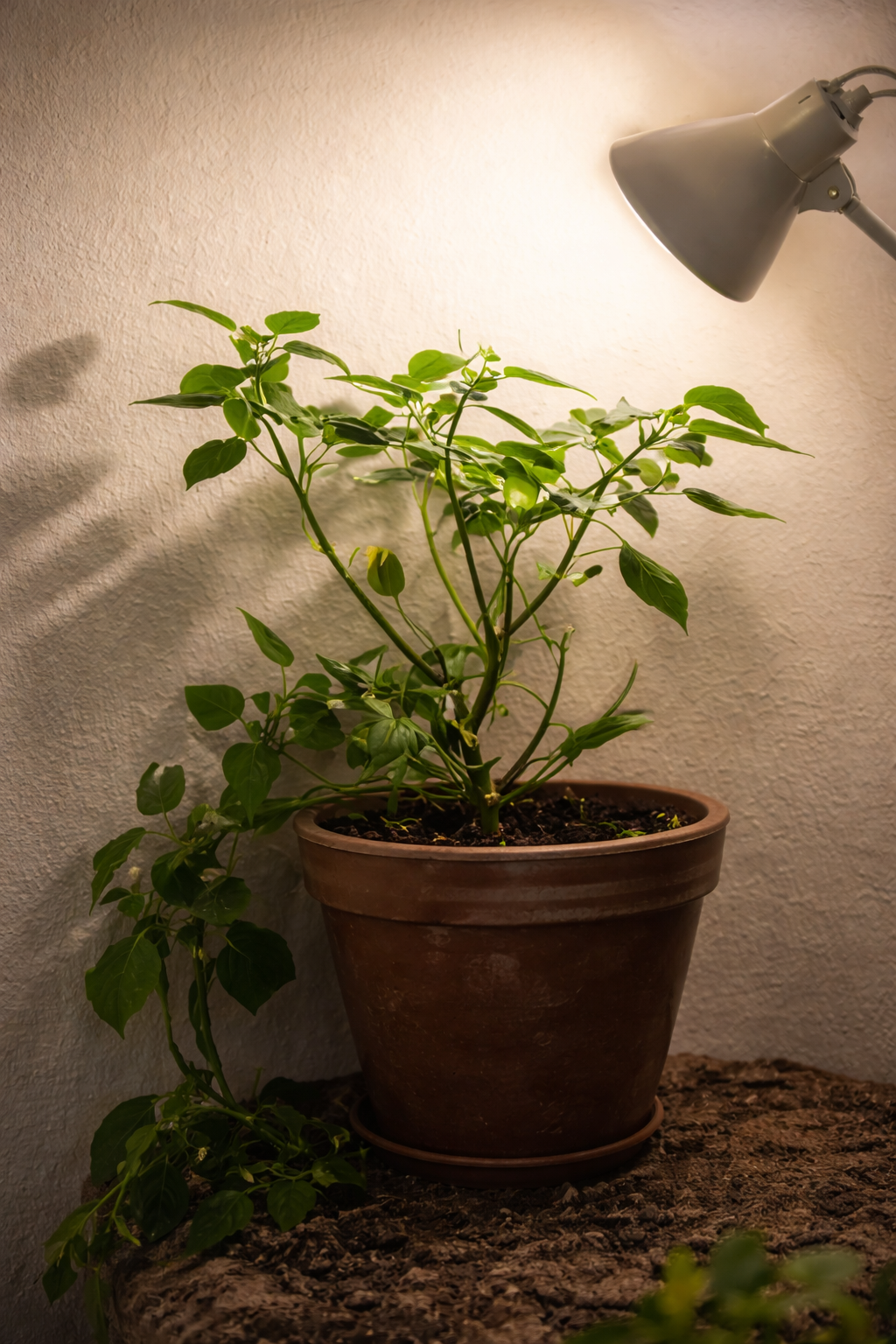
Move your plant closer to a window with bright, indirect light, or consider using a grow light.
2. Pale or Yellowing Leaves
When a plant doesn’t receive enough light, it can’t produce enough chlorophyll, which causes leaves to lose their green color.
Common symptoms:
- Pale green or yellow leaves
- Leaves falling off easily
Solution:
Increase light exposure gradually to avoid shock. Avoid direct harsh sunlight.
3. Leggy or Stretched Growth
Plants naturally grow toward light. In low-light conditions, they stretch their stems to reach it.
Signs:
- Long stems with wide gaps between leaves
- Weak, floppy structure
Solution:
Place the plant in a brighter spot and rotate it weekly for even light distribution.
4. Leaves Tilting Toward the Window
If your plant constantly leans in one direction, it’s telling you something.
Meaning:
Your plant is searching for more light.
Solution:
Rotate the plant every few days or move it to a location with balanced lighting.
5. Smaller or Deformed Leaves
Low light can result in leaves that are smaller than normal or oddly shaped.
Solution:
Improve light conditions and trim damaged growth to help the plant redirect its energy.
Best Light Conditions for Most Indoor Plants
- Bright, indirect sunlight
- East or north-facing windows
- 6–8 hours of light daily
💡 Tip: If you can comfortably read a book near your plant during the day, the light is usually sufficient.
Final Thoughts
If your plant looks weak, pale, or stretched, light is often the missing piece.
By learning to recognize these signs early, you can fix the problem quickly and keep your plants healthy and vibrant 🌿